 Local Coin Company
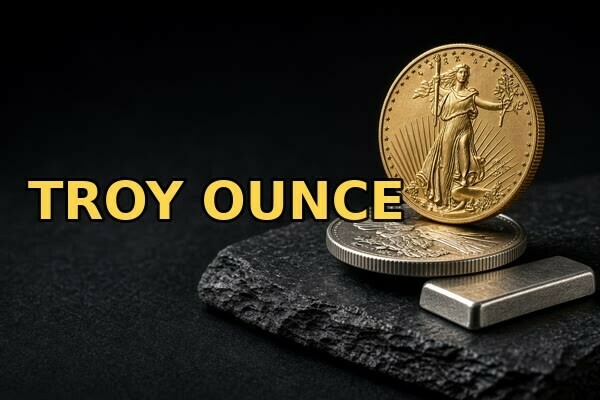
Troy Ounce Explained for Gold and Silver Buyers
What a Troy Ounce Is
When gold or silver is quoted "per ounce," that ounce is almost never the kitchen or grocery ounce. Dealers, mints, and spot markets use the troy ounce, the long-standing weight unit for precious metals. Knowing the difference helps you read product labels, compare offers, and avoid mixing everyday ounces with bullion ounces.
This guide explains what a troy ounce is, how it compares with a regular (avoirdupois) ounce, why bullion is priced that way, and what Tualatin and Portland-area buyers should confirm before they buy or sell. It is educational, not a price forecast. Spot prices move; treat any live quote as temporary.
Troy Ounce vs Regular Ounce
The Royal Mint states that one troy ounce equals 31.1035 grams. A standard avoirdupois ounce used for many everyday goods is about 28.35 grams. That means a troy ounce is roughly 2.75 grams heavier than the ounce most people know from cooking scales.
In short:
- 1 troy ounce about 31.1035 grams (precious metals)
- 1 avoirdupois ounce about 28.35 grams (everyday goods)
If someone weighs a coin on a kitchen scale set to "oz" without clarifying the system, the readout can look off even when the metal is correct. Bullion scales and dealer assays are built around troy weight for a reason.
Why Gold and Silver Use Troy Weight
Spot prices for gold, silver, platinum, and palladium are quoted per troy ounce worldwide. That common unit lets a bar in one market line up with a coin in another when you convert purity and fine metal content. The United States Mint describes its bullion programs in troy-ounce terms: for example, American Eagle silver bullion products are identified as containing 1.000 troy ounce of silver.
Dealers often shorten "troy ounce" to "oz" on price boards and websites. In a coin-shop context, that shorthand still means troy ounces unless something else is clearly stated. Grams appear more often on metric bars (10 g, 100 g, 1 kilo). Convert carefully: about 31.1035 grams equals one troy ounce of fine metal when purity is 999 or higher and the label matches.
Fine Metal Weight vs Coin Weight
Product weight and fine-metal content are not always the same number. A 22-karat American Gold Eagle contains a full stated amount of pure gold, but the alloy adds a little gross weight beyond one troy ounce of pure metal for the one-ounce size. A .9999 fine Canadian Maple Leaf is closer to matching stated fine weight and total weight for many one-ounce pieces.
When you compare products, ask three questions:
- How many troy ounces of fine gold or silver does it contain?
- What is the purity (for example, .999, .9999, or 22 karat)?
- What premium are you paying over the metal's spot value?
Those answers matter more than face value stamped on a legal-tender coin. Face value marks legal status; market value tracks metal content plus the dealer premium. For a deeper look at that markup, see Gold Spot Price vs Premium: What Buyers Need to Know Before They Buy.
How Troy Ounces Show Up on Common Products
Local Coin Company stocks widely recognized bullion that is sold and bought by troy-ounce content, including American Gold and Silver Eagles, Canadian Maple Leafs, Krugerrands, Buffalos, Philharmonics, and silver rounds and bars. One-ounce coins are the most common entry size. Fractional gold (half, quarter, and tenth ounce) still uses troy fractions of an ounce of fine gold, usually at a higher premium per ounce than larger pieces.
Bars may be labeled in troy ounces (1 oz, 10 oz) or in grams and kilos. A one-kilo gold bar is about 32.15 troy ounces of gold when it is .9999 fine and fully marked that way. Always read the stamp: manufacturer, purity, and stated weight protect you when you later sell.
If you are choosing between coins and bars, start with Gold Coins vs Gold Bars or Silver Coins vs Silver Bars. Weight literacy makes those comparisons clearer.
Practical Tips Before You Buy or Sell
Use these checks in any shop, including a visit in Tualatin:
- Confirm whether the quoted price is per troy ounce of fine metal or for the whole piece including premium.
- Match the product stamp to the invoice description (weight, purity, mint or refiner).
- Remember that jewelry is often discussed in grams or pennyweights and may include stones or plating that are not bullion-grade metal.
- For older U.S. circulating silver (often called junk silver), value is driven by silver content across many coins, not by a single one-ounce stamp. See What Is Junk Silver? 90 Percent U.S. Coins Explained.
Soft rule of thumb: if the conversation jumps between "ounces," "grams," and "face value" without clarifying troy content, pause and ask for the fine-metal weight in troy ounces or grams.
What Buyers in Tualatin Should Check
Seeing the metal in person still helps. You can compare one-ounce coins side by side, ask how today's buy and sell relate to spot, and confirm whether a piece is a government mint product or a private round.
Local Coin Company is at 19354 SW Boones Ferry Rd., Tualatin, OR 97062. Hours are Monday through Friday 8 AM to 4 PM and Saturday 8 AM to 3 PM. Appointments have priority. Call 503-855-5255 to plan a visit. The shop strives to match or beat advertised prices and stocks American Gold and Silver Eagles alongside Maple Leafs, Krugerrands, rounds, bars, and U.S. coinage. Check current offerings on the gold and silver pages.
Quick FAQ
Is a troy ounce the same as a regular ounce?
No. A troy ounce is about 31.1035 grams. A regular avoirdupois ounce is about 28.35 grams.
When a dealer says "per ounce," do they mean troy ounces?
In gold and silver bullion, yes in almost every case. Ask if anything looks unclear.
Does a one-ounce gold coin always weigh exactly one troy ounce on a scale?
Not always. Some coins contain one troy ounce of pure gold plus alloy, so total weight can be a little higher. Read the mint specs for fine-metal content.
Should beginners start with one-ounce pieces?
Many do, because pricing is easy to compare. Fractional sizes cost more per ounce of metal but can be easier to sell in smaller amounts later. For selling locally, see How to Sell Gold and Silver in Tualatin, Oregon.
Bottom Line
A troy ounce is the standard weight for pricing and describing gold and silver. It is heavier than a kitchen ounce, it underpins spot quotes, and it is the unit behind most one-ounce coins and many bars. Learn the fine-metal weight, purity, and premium, and you can compare products with more confidence.
Related reading: American Gold Eagle guide.
For a primary reference, see NIST Handbook 44 Appendix C.
When you are ready, review current gold and silver offerings, or stop by Local Coin Company in Tualatin. This article is for education only and is not investment, tax, or legal advice.
RETURN <<