 Local Coin Company
American Gold Eagle: What Buyers in Tualatin Should Know
What an American Gold Eagle Is
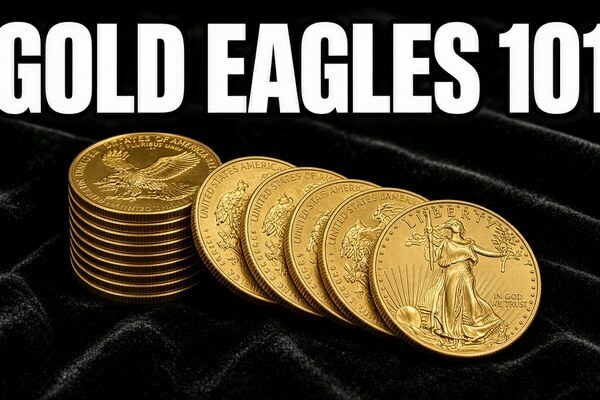
Ask a Tualatin or Portland-area buyer which gold coin they know by name, and the American Gold Eagle is usually near the top of the list. It is the United States Mint's flagship gold bullion coin: widely recognized, available in four sizes, and a common first purchase for people who want physical gold they can hold and later resell.
This guide covers what the coin is, Mint weight and purity specs, why the price differs from spot, how Gold Eagles compare with bars and other sovereign coins, and what to check before you buy locally. It is educational, not a gold-price forecast.
History and Legal Status
American Eagle gold bullion coins were authorized under the Gold Bullion Coin Act of 1985 and first issued by the United States Mint in 1986. They are United States legal-tender coins. Their face values ($50, $25, $10, and $5) mark the legal-tender category; market value follows gold content plus the dealer premium, not the stamped face amount.
The Mint states that the weight, content, and purity of American Eagle gold bullion coins are guaranteed by the United States government. That guarantee is a large part of why these coins stay liquid in the secondary market.
Weight, Purity, and the Four Sizes
Unlike .9999 fine Maple Leafs, American Gold Eagles are struck in 22-karat gold. Per current United States Mint product descriptions, the alloy is about 91.67 percent gold, 3 percent silver, and the balance copper. The alloy makes a harder coin that resists scratching better than pure gold alone.
Each size still contains its full stated amount of pure gold. The alloy adds a little extra gross weight:
- 1 oz Gold Eagle — $50 face; contains 1.0000 troy ounce of gold; gross weight about 1.0909 troy ounces; diameter about 32.70 mm.
- 1/2 oz Gold Eagle — $25 face; contains 0.5000 troy ounce of gold; gross weight about 0.5455 troy ounce; diameter about 27.00 mm.
- 1/4 oz Gold Eagle — $10 face; contains 0.2500 troy ounce of gold; gross weight about 0.2727 troy ounce; diameter about 22.00 mm.
- 1/10 oz Gold Eagle — $5 face; contains 0.1000 troy ounce of gold; gross weight about 0.1091 troy ounce; diameter about 16.50 mm.
When you compare quotes, match size and finish (bullion versus proof) so you are not pricing different products against each other.
Why the Price Differs From Spot
Spot is the wholesale reference for one troy ounce of gold for near-term delivery. A finished Gold Eagle almost never sells at exact spot. The amount above spot is the premium: minting, distribution, insurance, handling, and the dealer's margin.
Soft-touch rule: treat any spot number you see online as a snapshot. Confirm the live ask when you are ready to buy or sell. Smaller fractional Eagles usually carry a higher premium per ounce than the one-ounce coin because minting and handling costs are spread over less metal. Popular government coins often cost more per ounce than large bars because they are easy to recognize and liquid on resale.
For a fuller walk-through of spot versus premium, see gold spot price vs premium. Format choices for gold are covered in gold coins vs gold bars.
Gold Eagles vs Bars, Maples, and Other Coins
Each product solves a different problem:
- American Gold Eagles — U.S. Mint guarantee, high recognition in the United States, four sizes, 22-karat alloy for durability, usually a higher premium than large bars.
- Gold bars (for example 1 oz, 10 oz, or kilo bars from known refiners) — often lower premium per ounce, denser storage, less divisible than fractional coins.
- Canadian Gold Maple Leafs — .9999 fine gold; also highly recognized; different look and alloy profile than the Eagle.
- Other sovereign coins (Krugerrands, Buffalos, Philharmonics, Kangaroos) — each has its own purity, design, and premium pattern; compare like with like.
Local Coin Company's gold page lists current sell quotes for American Gold Eagles in all four sizes alongside Maples, Buffalos, Krugerrands, and bars. Soft-touch: those numbers move; refresh when you are ready to trade.
What Buyers in Tualatin Should Check
Before you commit, ask the shop for today's ask on the same product you want — typically a one-ounce bullion Gold Eagle — and compare it with live offerings on the gold page. Confirm condition (brilliant uncirculated bullion versus proof), year if that matters to you, and whether the quote is for a single coin or a larger order.
Local Coin Company is at 19354 SW Boones Ferry Rd., Tualatin, OR 97062. Hours are Monday through Friday 8 AM to 4 PM and Saturday 8 AM to 3 PM. Appointments have priority. Call 503-855-5255 to plan a visit. The shop strives to match or beat advertised prices and stocks American Gold and Silver Eagles alongside Maple Leafs, Krugerrands, rounds, bars, and U.S. coinage. Silver buyers comparing the sister coin should read American Silver Eagle: What Buyers in Tualatin Should Know and check the silver page.
Buying Tips That Save Headaches
- Compare the same coin to the same coin — bullion Eagle to bullion Eagle — not an Eagle to a random private round.
- Ask how the buyback works if you sell later; spreads are normal in physical gold.
- Have a storage plan before you leave with metal; even a few ounces need a clear home. See how to store gold and silver safely at home.
- Be skeptical of prices that look impossibly low relative to live spot and normal premiums.
- If you may sell later in Tualatin, see how to sell gold and silver in Tualatin.
FAQ
Is a Gold Eagle pure 24-karat gold?
No. Bullion American Gold Eagles are 22-karat (about 91.67 percent gold) with silver and copper alloy. Each size still contains its full stated pure-gold content; the alloy adds gross weight and durability.
Does the face value matter when I sell?
For bullion pricing, dealers pay on gold content and market demand, not on spending the coin at face. Face value confirms legal-tender status and the Mint's product category.
Are proof Gold Eagles better for stacking?
Proofs are collector finishes with higher premiums. Most stackers buy bullion (brilliant uncirculated) strikes for metal exposure at a lower premium.
Should I start with a fractional Eagle?
Fractionals (1/10, 1/4, 1/2 oz) make smaller entry points and finer sales later, but usually cost more per ounce. Many first-time buyers start with one ounce once they know they want gold exposure.
Bottom Line
The American Gold Eagle is a U.S. Mint 22-karat gold bullion coin issued since 1986 in four sizes, each containing its stated pure-gold weight under a government guarantee of weight, content, and purity. You pay spot plus a premium, compare products carefully, and buy from a dealer you trust. For Tualatin and Portland-area buyers who want to see the metal first, a shop visit keeps the decision concrete.
When you are ready, check current gold and silver offerings, or stop by Local Coin Company in Tualatin.
Related reading: silver coins vs silver bars; troy ounce explained.
Educational disclaimer: This article is for general information only and is not financial, legal, tax, or investment advice. Precious metals involve risk, including price volatility and changing premiums. Product availability and pricing change; confirm current quotes with Local Coin Company and qualified advisors before you buy or sell.
RETURN <<