 Local Coin Company
How to Sell Gold and Silver in Tualatin, Oregon
Selling gold or silver is simpler when you know what you are holding and how a dealer offer is built. This guide is for people in Tualatin, Tigard, and Lake Oswego.
The metal has a market reference. The item has a category. The offer sits in the spread between those two facts. Local Coin Company buys gold, silver, jewelry, coins, and related items in Tualatin. Offers move with the market, so treat this as an industry walkthrough, then confirm the current number at the counter.
Bullion, jewelry, and coins are not priced the same way
The most useful first step is to sort what you have. Dealers do not apply one formula to every gold or silver object.
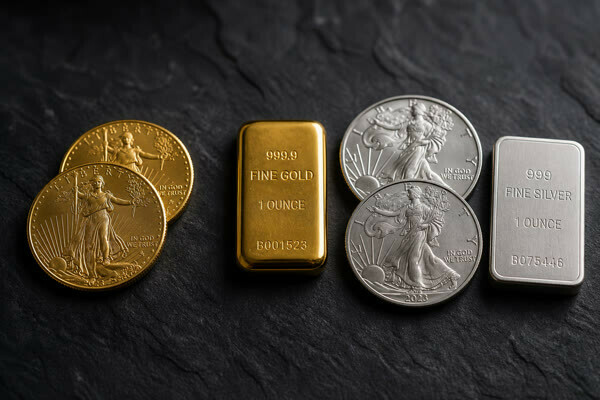
- Bullion is investment-grade metal sold mainly for weight and purity. Think government coins such as American Gold and Silver Eagles, Canadian Maple Leafs, and Krugerrands, plus recognized bars and rounds. Live products in those formats appear on our gold and silver pages.
- Jewelry is usually valued on melt: how much fine gold or silver is actually in the piece after karat or sterling is accounted for, not what a retail jeweler charged for the design.
- Collector coins can be worth more, or sometimes less, than melt. Date, mint, condition, and demand matter. A common bullion date and a scarce numismatic coin are different products.
The shop also states that it buys platinum, palladium, diamonds, coin collections, sterling silverware, and dental gold. If you are unsure which bucket an item falls into, bring it in and ask. If you are guessing, bring the items in.
How a dealer offer relates to the spot price
Spot is the live wholesale reference for a troy ounce of gold or silver. It changes throughout the trading day. Local Coin Company posts live spot on the site. Use that board as context, not as a locked quote for the specific pieces in your pocket.
A buy offer is not simply spot times ounces. For recognized bullion, the offer typically sits near spot, minus the dealer spread. For jewelry, the offer is based on fine-metal content, not the original retail ticket. For mixed lots, some pieces may price as bullion, some as melt, and some as collector material.
You will see a gap between what a shop pays you and what it asks when it sells the same product. That gap is the spread. It covers inventory risk, verification, overhead, and the chance that spot moves before the metal is resold. For a closer look at how spot and dealer markup work on the purchase side of the counter, see Gold Spot Price vs Premium. The same structure applies in reverse when you sell.
Do not walk in expecting a fixed percentage of spot. Those internet figures are rarely a typical actual ticket. On the gold page, many buy prices are listed as CALL. Some silver products show posted buy prices next to sell prices. Both change. Ask for the current number on your items.
Why premiums and spreads exist
Premiums and spreads pay for real costs in the physical market.
Minting a government coin costs more than producing a generic bar. That is why bullion coins often trade at a higher premium than bars of the same metal. When you sell, widely recognized coins are usually easier for a dealer to turn around, which can support a cleaner offer than an unmarked, damaged, or obscure piece. If you are deciding what to keep versus what to liquidate, Gold Coins vs Gold Bars covers that choice from the buyer side.
Jewelry is the opposite story. A ring bought for several hundred dollars may contain only a fraction of that amount in fine gold. Stones, labor, and brand are not the same as bullion. A local dealer will typically pay on the metal. Ask how any stones are treated rather than assuming jewelry-store retail.
Spreads also widen when metal is hard to verify, oddly sized, or slow to resell. They tighten on common, liquid products. That is normal market structure, not a local quirk.
Why a local shop can be simpler than mailing metal
Mail-in kits and national buy sites exist, and they can work. They also add packing, insurance, shipping time, and the chance that the final check does not match the online estimate after inspection.
An in-person visit lets you watch the evaluation, accept or decline before you leave the metal, skip shipping high-value packages, and ask questions about mixed lots on the spot. Local Coin Company states that it offers immediate cash for gold and silver jewelry, estate jewelry, diamonds, coin collections, sterling silverware, and dental gold. The about page also notes estate help without cherry-picking only the best pieces, and that staff can travel when you cannot come in. Those are operational facts from the site, not a promise of any particular dollar amount.
If you would rather replace metal than cash out entirely, you can compare live sell prices on the gold and silver pages while you are there. The shop stated pricing promise is that it always strives to match or beat any advertised price.
What to bring, and what to ask at the counter
You do not need a perfect inventory list, but a little organization helps. Separate obvious bullion from jewelry. Keep original mint packaging if you still have it. Do not clean coins or polish jewelry right before a visit. Aggressive cleaning can hurt collector value and does not add melt value.
Precious-metals shops generally have to document transactions. Exact identification and paperwork rules are not published as a complete policy on localcoinco.com, so do not assume a checklist copied from another shop or another state. Ask at the counter what they need that day. If you are selling an estate, say so up front.
Useful questions:
- Is this piece being priced as bullion, melt, or collector?
- What spot reference are you using today?
- If I decline, do I leave with everything I brought?
- Can I sell part of the lot and keep the rest?
Testing methods, payout mix beyond cash, and any hold periods are not spelled out in detail on the public site. If those details matter, ask before you agree. The homepage says immediate cash payments. Anything else should come from the staff, not from this article. Appointments have priority. Call 503-855-5255 if you want a set time, especially for a larger lot.
Local Coin Company in Tualatin
Local Coin Company is at 19354 SW Boones Ferry Rd., Tualatin, OR 97062. Normal trading hours are Monday through Friday 8 AM to 4 PM and Saturday 8 AM to 3 PM. Call 503-855-5255. Appointments have priority.
The shop buys and sells. Inventory on the floor rotates, so treat the live gold and silver pages as the current list, not this article. Walk in with questions. Leave with a number you understand, whether you take it or not.
This article is for general education only. It is not investment, tax, or legal advice, and it is not a quote. Spot prices, premiums, and buy offers change throughout the trading day. Confirm current pricing with Local Coin Company before you sell or buy.
Related reading: storing gold and silver safely at home; beginner bullion buying tips; silver coins vs silver bars.
RETURN <<