 Local Coin Company
Silver Coins vs Silver Bars: Which Should You Buy?
Choosing physical silver is not only about the spot price. The product you buy-sovereign coins, minted bars, or private rounds-changes what you pay over spot, how easy it is to sell later, and how you store the metal. For buyers in Tualatin and the Portland metro, that choice shows up at the counter every day.
This guide compares silver coins and silver bars on premium, recognition, divisibility, storage, and resale. It is educational, not a prediction about where silver will trade next week.
What "Silver Coin" Usually Means
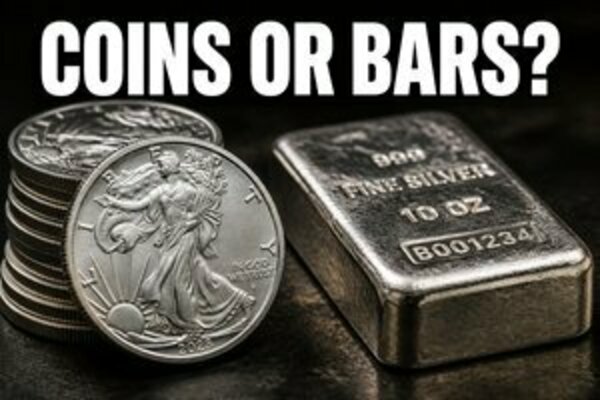
In the bullion aisle, "silver coins" usually means modern sovereign bullion coins-not junk silver in a jar and not rare collectibles priced for numismatists. The best-known U.S. example is the American Silver Eagle.
According to the United States Mint, American Eagle Silver Bullion Coins contain a minimum of one troy ounce of 99.9 percent pure silver. Weight and purity are guaranteed by the United States Government, the coins carry a one dollar face value. Certain American Eagle silver bullion coins may be eligible for a self-directed precious-metals IRA only when held by an IRA custodian under Internal Revenue Code section 408(m). That is not the same as storing metal at home in personal possession. Confirm product eligibility and custody rules with a qualified tax advisor and your IRA custodian. Published Mint specs include a weight of 1.000 troy ounce (about 31.103 grams) and a diameter of 1.598 inches (40.60 mm), with a reeded edge.
Other widely recognized 1 oz coins include the Canadian Maple Leaf and similar sovereign issues. Local Coin Company's silver page regularly lists products such as 1 oz Silver Eagles, Maple Leafs, Kangaroos, Krugerrands, and 1 oz silver rounds alongside bars.
Coins win on recognition. Most U.S. dealers know Eagles and Maples on sight, which can speed verification and resale. That recognition is a major reason coins often carry a higher premium than generic silver of the same weight.
What Silver Bars Are Built For
Silver bars are about stacking ounces efficiently. Common retail sizes include 1 oz, 10 oz, and 100 oz. Larger bars usually cost less per ounce over spot than small coins because minting and handling costs spread across more metal.
On Local Coin Company's silver offerings you will see familiar sizes such as 10 oz and 100 oz silver bars, plus smaller pieces when they are in stock. Bars from well-known refiners and mints tend to trade more smoothly than unmarked or obscure pours. Serial numbers, assay cards, and clear hallmarks help both buy and sell conversations.
Bars are not "worse" than coins. They solve a different problem: get more silver weight for the dollars you spend today, accepting that verification and resale may take a little more care than sliding a tube of Eagles across the counter.
Premium: Why Coins Often Cost More Over Spot
Spot is the wholesale reference for the metal. What you pay is spot plus a dealer premium; what you receive when selling is typically below that same spot reference. Premiums move with demand, inventory, and product type, so treat any fixed number online as a snapshot, not a rule.
In normal markets, government 1 oz silver coins tend to sit at a higher premium per ounce than larger silver bars. Buyers pay for:
- Government guarantee of weight and purity (for sovereign coins like the Silver Eagle)
- Universal recognition and faster retail liquidity
- Smaller unit size and easier partial sales
- Higher production and distribution costs relative to simple bars
Larger bars reverse that trade-off. A 10 oz or 100 oz bar often delivers more silver per dollar if your goal is long-term accumulation. Soft rule of thumb: if you care most about ounces acquired, compare total ounces for the same cash outlay; if you care most about easy resale in small chunks, compare recognition and unit size.
Liquidity, Resale, and Storage
Liquidity means how quickly a reputable buyer will take the product at a competitive bid. Major sovereign coins are usually the easiest retail sell in the United States. Branded bars from established refiners also move well; obscure bars may face extra testing or a wider spread. Fifty 1 oz coins let you sell five ounces without touching the rest of the stack; a single 100 oz bar is one position. For a local sell walkthrough, see how to sell gold and silver in Tualatin.
Silver is bulkier than gold for the same dollar amount, so storage planning matters sooner. A troy ounce-the unit used for precious metals-is heavier than a kitchen (avoirdupois) ounce; NIST conversion tables list 1 troy ounce as 31.1034768 grams. Plan storage before you leave the shop; see our guide on storing gold and silver safely at home.
A Simple Decision Framework
- Goal: Maximum ounces for the budget leans toward larger bars. Easy partial sales lean toward 1 oz coins or small bars.
- Recognition: Prefer sovereign coins and well-known bar brands over mystery metal.
- Horizon: Longer holds can absorb a coin premium more easily; short holds make premium and spread matter more.
- Mix: Many buyers keep some highly liquid coins for flexibility and add bars to build weight.
- Verify in person: Compare live premiums on products actually in stock, not yesterday's internet screenshot.
Local Coin Company is at 19354 SW Boones Ferry Rd., Tualatin, OR 97062. Hours are Monday-Friday 8 AM-4 PM and Saturday 8 AM-3 PM. Call 503-855-5255 to plan a visit. Appointments have priority. Ask to compare current coin and bar options side by side-including Eagles, Maples, rounds, and 10 oz or 100 oz bars when available-before you allocate your next purchase.
FAQ
Are American Silver Eagles better than silver bars?
Better for recognition and easy retail resale, usually. Bars are often better for packing more ounces into the same budget. Many buyers use both.
Are silver rounds the same as coins?
No. Rounds are privately minted pieces that look coin-like but are not legal-tender sovereign issues. They can be cost-efficient, but they do not carry a U.S. Mint government guarantee the way a Silver Eagle does.
Should a first buy be a 100 oz bar?
Only if you are comfortable locking that weight into one piece and storing it securely. Many first-time buyers start with 1 oz coins or 10 oz bars for flexibility.
Do premiums stay fixed?
No. Premiums rise and fall with demand, mint supply, and dealer inventory. Always confirm today's buy and sell quotes.
Bottom Line
Silver coins and silver bars are both ways to own physical metal. Coins-especially widely recognized sovereign issues like the American Silver Eagle-trade recognition and flexibility for a higher typical premium. Bars trade some of that convenience for more ounces per dollar. Match the product to your goal, verify live pricing, and buy metal you can store and later sell with confidence.
When you are ready to compare options in person, check current silver and gold offerings, or stop by the Tualatin shop.
Related reading: gold coins vs gold bars; gold spot price vs premium; American Silver Eagle guide; troy ounce explained.
Educational disclaimer: This article is for general information only and is not financial, legal, tax, or investment advice. Precious metals involve risk, including price volatility and changing premiums. Product availability and pricing change; confirm current quotes and IRA rules with Local Coin Company and qualified advisors before you buy or sell.
RETURN <<