 Local Coin Company
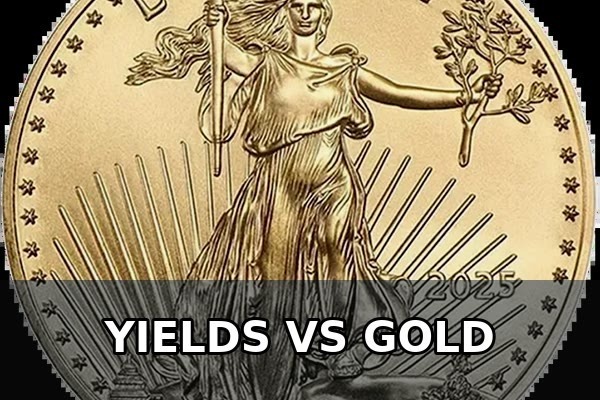
Why Gold Still Holds When Yields Rise: A Guide for Tualatin Buyers
For years, the market shorthand was simple: when real bond yields climb, gold should struggle. Bonds pay a real return; gold pays none. That rule still shows up in textbooks and trading desks. But this weeks market tape is telling a more interesting story for Tualatin and Portland buyers who hold physical metal or are thinking about adding some.
According to Kitcos morning wrap on September 22, 2026, spot gold was holding above roughly 4,330 dollars an ounce even as a firmer dollar and hawkish Fed commentary kept rallies capped. Silver sat in the mid-60s. Separately, Saxo Banks Ole Hansen (via Kitco) noted that U.S. 10-year real yields just printed their highest level in more than 20 years yet gold-backed ETF holdings have been recovering after a first-half slide. In plain English: the old higher yields crush gold script is wobbling.
This article is educational, not investment advice. Spot moves daily. Use it as context for a counter conversation, not a timing signal.
Why the old yield rule feels broken right now
Historically, rising real yields raised the opportunity cost of holding a non-yielding asset. Investors could earn more after inflation in Treasuries, so paper gold especially ETF shares often saw outflows when real rates jumped.
Hansens point this week is that the gold price has already shown stretches of decoupling, and now ETF holdings themselves are showing resilience even with 10-year real yields near multi-decade highs (about 2.63 percent on Friday, up roughly 76 basis points year to date, per the Kitco/Saxo note). Fiscal worry and debt-servicing costs are getting more attention. Some investors read higher long-end yields not only as a bond opportunity, but as a warning about government balance sheets. In that frame, golds role outside the traditional financial system can matter more even while yields stay elevated.
None of that means gold only goes up only that the single-factor model is too thin for 2026.
What real yields mean in plain English
A nominal yield is the coupon you see quoted for example, the 10-year Treasury near about 4.9 percent in Tuesdays Kitco AM context. A real yield subtracts expected inflation. If inflation expectations are sticky and long-end yields rise, real yields can climb too.
Why physical buyers should care: real yields are one of the classic opportunity cost gauges for gold. When they rise sharply, paper flows into ETFs can soften. When they fall, ETF demand often firms. The 202223 cycle already showed a twist central-bank buying helped keep the gold price resilient even while ETF holders sold. Todays twist, per Hansen, is that ETF demand itself is holding up better than that old inverse relationship would predict.
Fiscal worry vs bond opportunity cost
Two stories can run at once:
- Opportunity cost: Higher real yields make bonds look more competitive versus idle gold.
- Fiscal / stability concern: Higher long yields can also signal heavier debt service, deficit stress, and questions about how governments fund themselves over time.
When the second story gains weight, some investors treat gold as insurance rather than a pure rates trade. Hansen ties todays ETF recovery after the H1 2026 drop to that broader demand base: less rate-sensitive buyers, continued central-bank interest, and Western ETF buyers returning alongside already firm Asian demand. That is a market-structure observation from a commodity strategist, not a promise about next weeks spot print.
For a Portland metro stacker: do not assume a rising 10-year means you must wait forever. Premiums, product choice, and your plan still matter more than one macro headline.
What this does (and does not) mean for physical buyers in Tualatin
It does mean you can stop treating every yield uptick as an automatic wait for a crash signal. Markets can reprice the yieldgold link when fiscal and official-sector demand dominate.
It does not mean gold is risk-free, that ETF inflows guarantee higher coin premiums tomorrow, or that you should ignore your budget. Physical bullion still has dealer premiums, bidask spreads, and storage choices. Spot context this week gold above roughly 4,330 dollars, silver in the mid-60s is a snapshot, not a locked quote. Always confirm live buy/sell on the tray.
If you want a refresher on how posted spot relates to what you actually pay, see our guide on spot vs premium. For how rates headlines can coexist with a rebound in metal, see after the Fed hike.
ETF paper gold vs coins and bars on the counter
Gold-backed ETFs are convenient paper claims on vaulted metal. They are useful for some investors and Hansens flow data is about that lane. Local Coin Company sells physical coins and bars you can hold: American Gold Eagles and Buffalos, Canadian Maples, Philharmonics, Krugerrands, silver and platinum too.
Paper and physical are related but not identical:
- ETF holdings can rise while your preferred coins premium stays firm or soft, depending on mint supply and local demand.
- Physical buys involve premiums over spot, recognition (Eagles and Maples tend to be easier to resell), and form factor (coins vs bars see coins vs bars).
Browse gold and silver, then compare in person. Weighing Buffalo purity vs Eagle liquidity? See Buffalo vs Eagle.
A practical plan for Portland metro stackers
- Separate macro from ticket size. Yield and ETF headlines explain the climate. Your plan decides ounces and cadence.
- Decide form before chasing a perfect entry. Recognizable sovereign coins for liquidity; bars when you want more metal per dollar of premium.
- Budget in dollars, not vibes. Soft-touch spot levels change; a written monthly or quarterly buy amount keeps emotions quieter.
- Confirm out-the-door numbers. Oregon has no general sales tax; Washingtons 2026 bullion retail rules changed the cross-river math ask for a clear total before you decide.
- Use the shop as a check, not a tip line. We will show product and premiums. We will not pretend to know next months Fed path.
FAQ
If real yields are high, why isnt gold collapsing?
Because other demand sources including fiscal-concern buyers, central banks, and recovering ETF interest can offset the classic opportunity-cost drag. Hansens Kitco analysis this week frames that decoupling explicitly. Past performance is not a guarantee.
Should I buy ETFs instead of coins?
That depends on your goals, taxes, and preference for paper vs physical. Local Coin Company is a physical dealer in Tualatin. We sell coins and bars; we are not an ETF broker or investment advisor.
Are todays Kitco levels a good buy?
We will not call tops or bottoms. Treat gold above roughly 4,330 and silver in the mid-60s as soft context from September 22, 2026 reporting. Compare live shop quotes when you are ready.
Is this investment advice?
No. It is an educational summary of published market commentary for Portland metro shoppers. Do your own research or speak with a licensed advisor for personal decisions.
Visit Local Coin Company
Whether you are adding a Gold Eagle after a yields headline, building silver ounces, or just want a clear premium explanation, stop by and see the metal in person. Local Coin Company 19354 SW Boones Ferry Rd., Tualatin, OR 97062 MonFri 84, Sat 83 503-855-5255. Start with gold and silver, then ask us what is on the tray today.
RETURN <<