 Local Coin Company
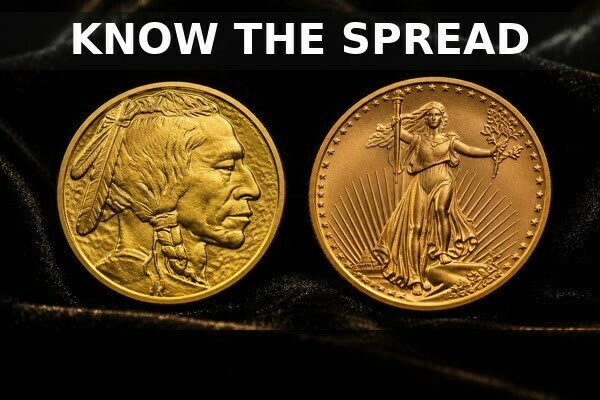
How Coin Shops Price Buybacks: A Plain-English Guide for Tualatin Sellers
When you sell gold or silver at a coin shop, the number on the offer slip is almost never the spot price you saw on your phone. That gap is not a mystery — and it is not a personal slight. It is how physical dealers stay open: they buy at a bid, sell at an ask, and carry inventory risk between the two.
Soft Kitco context on Sunday morning, September 27, 2026, put spot gold near about $4,285 an ounce. Live shop banners move all day (our site was showing silver near about $64 around the same window). Treat those prints as soft context only. Confirm today’s cash bid on the exact pieces you brought. This guide is educational, not investment, tax, or legal advice.
Spot is the starting line, not the finish
Spot is the live wholesale reference for an ounce of refined metal on global markets. Shops watch it the way gas stations watch wholesale fuel. Your American Gold Eagle is not a candy bar with a fixed sticker for the year.
When you buy, you usually pay spot plus a premium (minting, distribution, inventory, and service). When you sell, you usually receive spot minus a buy spread — or spot plus a smaller premium on especially desirable products. The difference between the shop’s ask and its bid is the dealer spread. That spread covers overhead, authentication work, and the risk that the market moves before the piece finds a new buyer.
If you want the buy-side version of this math, see our earlier note on spot versus premium. Today’s focus is the sell side: why two honest shops can quote different numbers on the same morning.
What actually moves a buyback offer
Dealers do not invent a number from thin air. Most offers stack a few plain factors:
- Live spot at quote time. Bids are time-sensitive. A morning quote may not hold by afternoon if the tape moves.
- Product recognition. Widely known government coins and major-refiner bars are faster to verify and easier to resell, so they usually support tighter spreads.
- Form and purity. Bullion coins and bars, ninety-percent “junk” silver, and scrap jewelry are priced on different playbooks.
- Condition and authenticity risk. For standard bullion, light handling marks rarely change melt math. Damaged, suspect, or hard-to-authenticate pieces widen the spread. Collectibles are a different market entirely.
- Quantity and inventory needs. Larger lots sometimes tighten the offer. A shop long on one product and short on another may bid differently that day.
- Market volatility. Sharp swings often widen spreads so the dealer is not trapped if spot slides before resale.
Dealer educators land on the same core idea: spot sets the baseline; liquidity and risk set the spread.
Government coins vs generic metal vs scrap
Think in three buckets before you walk in:
- Recognized bullion. American Gold and Silver Eagles, Canadian Maple Leafs, Buffalos, Krugerrands, Philharmonics, and bars from well-known refiners usually get the cleanest bids. Our live gold and silver pages commonly list those categories when stocked — availability refreshes.
- Private rounds and obscure bars. Still real metal if authentic, but often a wider buy spread because verification and resale take more work.
- Scrap, jewelry, and constitutional silver. Mostly melt math: weight × fineness × spot × the shop’s pay percentage. Soft-touch: ask for today’s melt-linked bid rather than yesterday’s internet screenshot.
Polishing jewelry rarely helps, and mixed junk drawers slow the counter. Sort first; price second. For the sell-side walk-through, see How to Sell Gold and Silver in Tualatin, Oregon.
How to read the offer without getting emotional
Ask for the bid in plain English: cash dollars for this exact lot, right now. Then compare it to same-day spot. A tidy Gold Eagle bid and a scrap-jewelry bid are not supposed to look alike.
Useful counter questions for Tualatin and Portland metro sellers:
- Is this bid bullion-priced, melt-priced, or collectible-priced?
- How long is the quote good if spot moves while we talk?
- What would you pay today for the same product if I were buying it back later?
- Any difference for cash versus other payment types?
- If I have a second quote on the identical product, can you match or beat it?
Local Coin Company strives to match or beat advertised prices and pays immediate cash for gold, silver, platinum, palladium, jewelry, diamonds, coin collections, sterling silverware, and dental gold. Clear answers beat slogans either way.
Why two shops disagree (and when that is normal)
Inventory needs differ. One counter may be flush with Silver Eagles and hungry for scrap gold. Another may be more conservative on authenticity risk. A modest gap on a small lot is ordinary. A 3× gap usually means different material, different payment terms, or a cherry-picked piece from a mixed bag.
Speed and certainty cost money. Same-day cash is a service. Mail-in bids can look tighter until you subtract shipping, insurance, delays, and assay risk. Compare all-in outcomes, not headlines.
A simple checklist before you sell
- Check a live spot feed the same day (Kitco or your preferred tape) — soft context only.
- Sort bullion, junk silver, and scrap into separate bags.
- Count pieces and note approximate ounces; keep assay cards if you still have them.
- Bring a government photo ID for larger cash payouts.
- Write down your walk-away number before emotion hits the glass.
- If the dollars matter a lot, get a same-day second quote on the same sorted lot.
Large cash payments received by a business can trigger IRS/FinCEN Form 8300 reporting when cash exceeds $10,000 in a trade or business. That obligation falls on the business receiving the cash. Soft-touch: ask how the shop handles large purchases, and talk with your own tax advisor.
FAQ for Portland-metro sellers
Will I ever get spot on a walk-in sell?
Sometimes on hot, recognized products when a dealer is short inventory — more often you see spot minus a spread. Plan for the spread; treat spot-or-better as a pleasant surprise.
Do scratches kill a Gold Eagle buyback?
For standard bullion, usually no. Authenticity and intact metal content matter more than a bag mark. Collectible grades are a different conversation.
Why is silver’s buy spread often wider than gold’s?
Silver is bulkier per dollar. Shipping, storage, and inventory risk take a larger bite of each ounce’s value, so dealers often need more room.
Visit Local Coin Company in Tualatin
Local Coin Company is at 19354 SW Boones Ferry Rd., Tualatin, OR 97062. Hours are Monday through Friday 8–4 and Saturday 8–3 (closed Sunday). Appointments have priority — call 503-855-5255 before you haul a heavy lot. New investors are welcome.
Know the spread, sort the metal, and ask for today’s cash bid on what you actually brought.
RETURN <<